







































Creating a venture in India at the moment is crazy. Just step out on the streets of Mumbai or Bangalore, or even scroll through your social media feed, and you would be amazed to find local brands, MSMEs, or family-run businesses turning everything upside down. With the help of initiatives such as ONDC, fast AI applications, and UPI payment via Paytm or PhonePe, you can establish yourself online in minutes.
But let’s be totally honest here. There is a massive trap catching founders off guard: expecting crazy results overnight.
Every single day, LinkedIn gets bombarded with funding news, viral reels, and hockey stick graphs. However, no one ever talks about the tedious part of it all. There are no posts that talk about the long hours of customer interviews, managing the budget, product changes, or dealing with other miscellaneous issues at hand. The thing about brands is that they are built, not made.
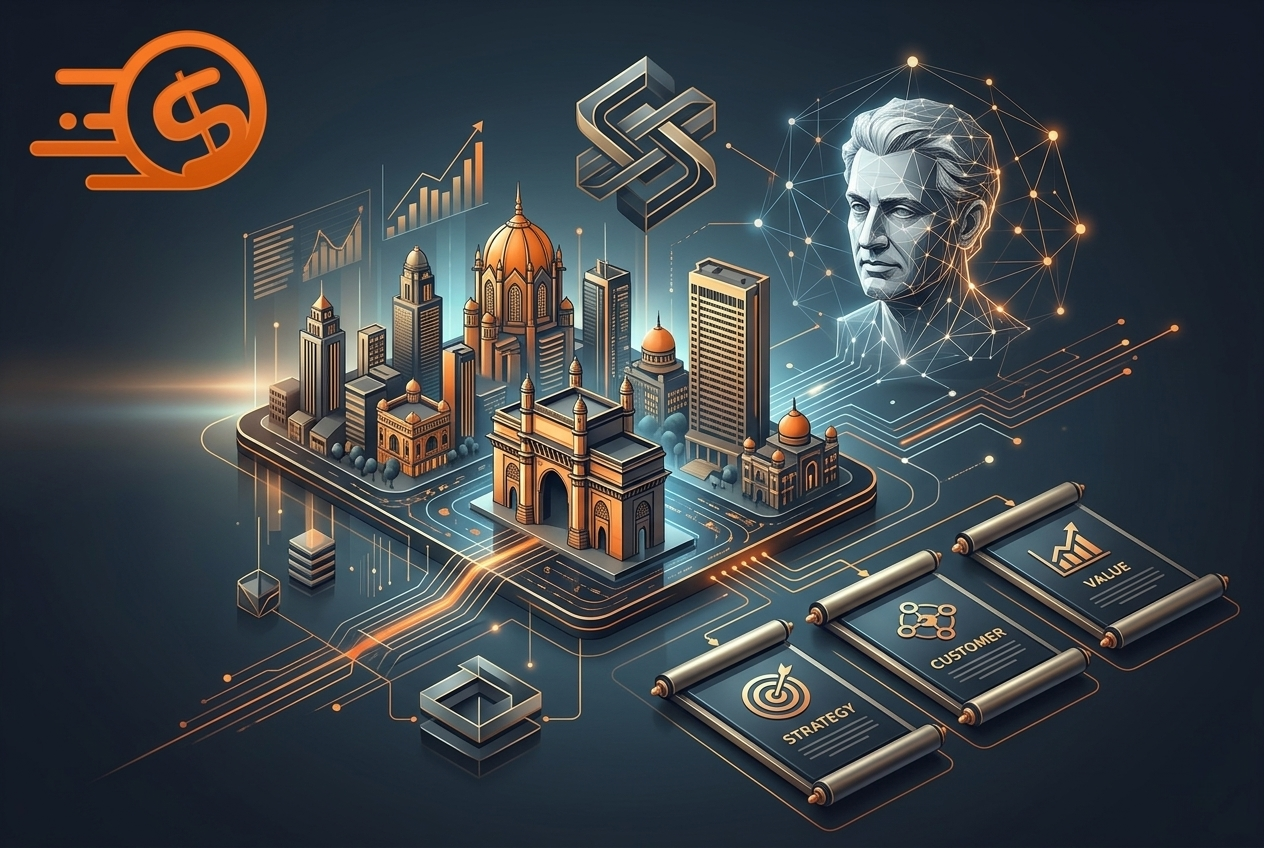
That is why the classic rules from Philip Kotler—the real Father of Modern Marketing—are absolute gold for Indian entrepreneurs in 2026. Social media algorithms and ad platforms change every single week. But Kotler’s main point never moves: you only win if you actually care about your customer and hand them real, undeniable value.
If you are researching how to start a business or sketching out innovative business ideas, this mindset is a massive reality check. It changes how you spot market gaps, manage your business finance, and stand out in a crowded space.
This is confirmed by the statistics. According to the Ministry of MSME, small enterprises generate about 30 percent of the total GDP of India and carry out almost 45 percent of the country’s export operations. Small business is the heart of the Indian economy. However, success requires much more than making noise through social media. While advertising draws attention, good money management decides whether your enterprise will continue to operate in the next year.
At Real Wealth Business, we speak to business owners each and every week who wish to create something enduring. Great brands do not bank their success on going viral in just one post or having just one great month. They systematize their processes.
The big takeaway? Successful Indian brands do not chase overnight fame—they focus on building daily momentum.
Build Smarter. Grow Consistently. Market with Purpose.
Marketing looks completely unrecognizable compared to a few years ago. We have predictive algorithms, automated AI chatbots, and complex ad dashboards. But guess what? What real buyers actually care about hasn’t shifted an inch. They still want basic things: trust, honesty, and a product that actually works.
Philip Kotler revolutionized the approach to marketing decades ago by dragging it out of the simple “sales pitch” box and making it the core strategy of a business. His advice was incredibly basic: map out the human being before you try to force a product on them. Don’t ask ‘How can I sell this?’ Instead, ask ‘Who actually needs this, and why should they care?’
This single mindset splits sustainable, cash-flowing brands from the ones that burn through investor cash and vanish into thin air.
Why Old-School Logic Crushes Modern Hype
Platforms change, but one simple question determines your survival: How well do you actually know the person buying from you?
The majority of start-up founders believe that marketing is all about putting your money into Meta’s ads or making an influential figure hold your product. However, that’s only part of it – the last part of it. Marketing begins much earlier – many months before you even think of spending a single rupee on your advertising campaign. It begins by finding a problem in India, solving it, and gaining customers’ trust.
The businesses winning big across India right now are not just the ones with the largest seed funding or ad budgets. They win because they solve everyday problems better than the guy next door.
Take a look at consumer behavior in India right now. There are unlimited options available and absolutely no patience left. Before pressing a purchase button, they will check the Google review, compare prices from Amazon or Flipkart, and then consult their friends on WhatsApp. You can’t cheat anyone into purchasing a junk product.
The Kotler Playbook: Why This Framework Wins Today
Why is Philip Kotler still considered the “Father of Modern Marketing”? Because he changed the question from “How can we get rid of this stock?” to “What does this solve for people and for whom is it a solution?”
That single shift changes your entire operation. It forces marketing conversations directly into product development, smart pricing, and long-term business finance.
When you look at modern Indian success stories—from massive D2C brands like BoAt or The Souled Store to a neighborhood Kirana store using simple digital apps to track inventory—they are all running on Kotler’s basic rules of market segmentation and clear positioning.
Tech moves incredibly fast. A new AI tool will drop next week. However, the psychology of man is just the same. People will remain loyal to companies who treat them with transparency, resolve their issues and provide them consistent quality.
Focusing on these building blocks rather than following every internet fad will make your brand more loyal, decrease cost per customer and increase profit margin significantly.
Who Is Philip Kotler and Why Is He Called The Father of Modern Marketing?
By shifting to the customer-centric strategy and understanding customers’ needs before designing any product or promotion plan, Philip Kotler revolutionized the approach to marketing in businesses.
Don’t ask ‘How can I sell this? Instead, ask ‘Who actually needs this, and why should they care?
“The problem that this product solves and who will be the beneficiaries of this solution.”
In the past, marketing was seen as nothing more than just an advertisement. The paradigm shifted the way organisations perceived growth.
Currently, the theories developed by Kotler are being used in top-notch institutions of management education. They are also being implemented by companies, regardless of whether they are small startups operating in their native country or large enterprises operating internationally. In today’s time of fast-paced technological advancements in India, the importance of these theories cannot be understated.
What can we learn from the father of marketing?
For the entrepreneurs, the lesson here is that effective marketing starts with understanding people and not just selling the product.
Who is the modern father of marketing?
Philip Kotler is known as the Father of Modern Marketing as he revolutionised the meaning of marketing from just being a promotional technique to being a business strategy focusing on customers. The classical principles that he has laid down regarding things like customer value, market segmentation, strategic positioning, and 4 Ps of Marketing still hold their relevance.
The ideas of Kotler are highly relevant to Indian entrepreneurs in 2026 as they inspire companies to base their decision-making on information about customer needs, market research and value creation rather than sales goals.
Why are the marketing principles of Philip Kotler still relevant for Indian firms in 2026?
Due to the reason that customer behaviour, not technology, is what actually drives business performance.
Technology will progress. New platforms will appear, AI will become even more advanced, marketing channels will be more sophisticated. Customers, however, will always look for companies who understand their problems, speak the truth, provide high quality and add value.
Marketing principles of Kotler make businesses flexible in terms of concentrating on such eternal factors as opposed to marketing fads.
In case of Indian firms competing in markets, where competition is high, customer approach helps building better brand loyalty, customer retention, making marketing expenditures more effective and improving financial performance.
Thus, marketing instruments may change but principles of sustainable business performance stay the same.