
































It takes a whole lot of strength to go into business. You’ve got your dream, your passion, your plan, and perhaps some resources to assist you. But then, what are you going to do next?
Well, your foot traffic just doesn’t materialize. Your sales are slow. Your costs add up. And you sit around wondering what went wrong.
Here’s the harsh truth nobody can avoid: most small businesses fail simply because of their location.
Yeah, not because the product sucked, or the service wasn’t good enough, but simply because they were in the wrong place.
Does that sound wrong? Maybe. But it’s also remarkably true.
According to the U.S. Bureau of Labor Statistics, approximately 20% of small businesses fail in the first year, and nearly 50% don’t survive to year five.
There are many reasons why that occurs, but a bad business location choice is surprisingly common and also one of the easiest to avoid.
Now, let’s talk about why many small businesses fail simply due to their location, how to choose the right location, and some examples of businesses that learned the hard way.
Many Small Businesses Fail Simply Due To Their Location: Why Location Matters So Much
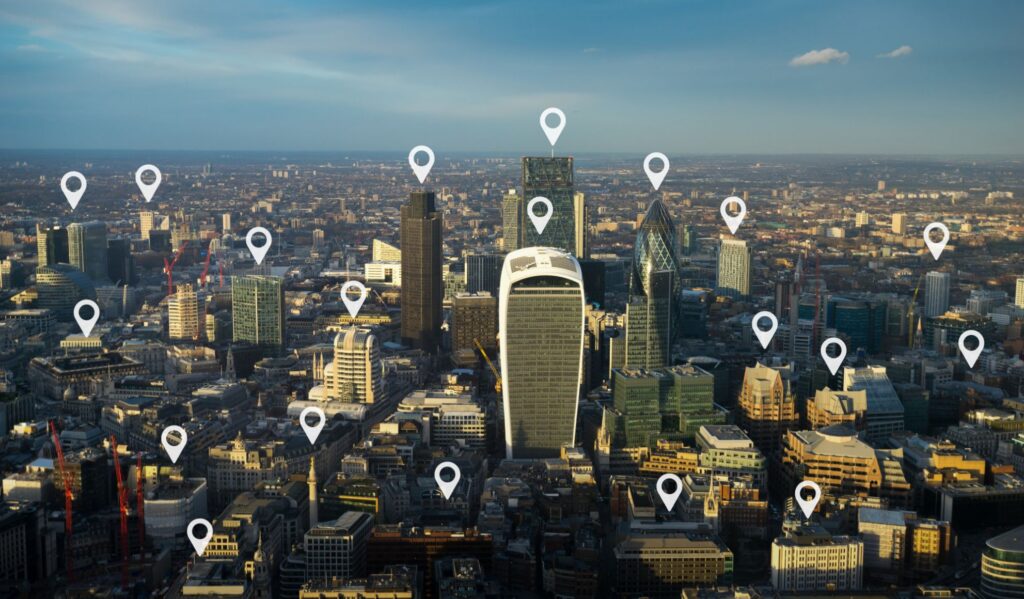
When you’re launching your startup, especially your first one, location isn’t a pin on the map — it’s an option that can affect everything: visibility, customer access, rent, staffing, logistics, and even brand perception.
Consider that. Would you start a trendy vegan café in an industrial park where folks just pull into a gas station and grab a sandwich on the way back to the office? No way. It does occur more frequently than you realize, though.
Location affects:
- Customer calls/visits
- Operating costs
- Accessibility
- Competition
- Market demand
A good case in point? A tiny gym opening up in a quiet suburban area with not many people in the area.
Even if the trainers and equipment are top-notch, people likely won’t travel far for a gym unless it is extremely nice and well-known.
Most small businesses fail because of where they are located, and not because of their effort or idea.
The Role of Location in Your Startup’s Success

When you’re creating your business plan, the location can’t be an afterthought. It’s an important factor that influences your reach, customer base, and potential for growth.
The correct location enables you to meet your objectives and drives growth. The incorrect location? It drains your resources, regardless of how great your team or product is.
- Ask yourself
- Who are your targeted customers?
- Where do they spend time?
- Can they readily locate or find your store?
- What kind of competition is there?
A downtown bakery can get by on office employees grabbing coffee and donuts in the morning. But the same bakery behind an off-ramp or in a residential area?
It’s going to close. You can have the greatest croissants in the world, but if no one knows you’re there, it doesn’t matter.
In short, business location strategy is a blend of economics, visibility, customer convenience, and market access.
10 Things to Remember When Selecting a Business Location
Picking a good place for your business isn’t simply a matter of getting cheap rent or a view — it’s about success in the long term.
A good business location strategy involves considering a lot of things that can affect how others see you, how many customers come to you, how much it costs, and how customers feel. Here’s a closer look at what truly matters:
First, know thy audience. Being close to your target audience puts you where your customers are.
In the midst of bustling city streets or a welcoming neighborhood, closeness makes sales easier. This also generates more foot traffic — the more people that walk by, the more opportunities to be noticed.
Then there is parking and accessibility. If your customers or delivery staff can’t get to you easily, they’ll go elsewhere.
And don’t forget to review the zoning laws — you can’t have a café in a residential-only area, even if the building is nice.
Consider the price, too — not only rent, but also utilities, taxes, and maintenance. And then ask yourself: is the area safe? A high-crime neighborhood can damage your reputation and your insurance rates.
Solid infrastructure is a requirement — working internet, clean water, and good HVAC systems are more than you think.
Also, think about whether the space can grow and whether you’re close to a talent pool to draw future staff from.
A poor location is enough to kill a great idea. Paying attention to these 10 things to remember when selecting a business location can be the difference between success and just getting by.
Examples of Poor Location Choices in Real Life (to give real-life context)
Let us examine some examples of companies that failed, not because they were bad businesses, but because they were at the wrong time and wrong place.
1. An upscale clothing boutique in a blue-collar neighborhood.
An upscale clothing boutique opened in a blue-collar neighborhood looking to “bring new fashions” to the neighborhood.
Unfortunately, the prices were more than what the locals could pay. The boutique did not target local consumers, and the individuals it was looking to target were not willing to venture to that location. Six months after it opened, the store went out of business.
2. Tech Startup Office in a Low-Connectivity Location
A software company rented its office in a low-rent building on the city outskirts to save money. That was a smart decision, until they discovered the internet was flaky and power was frequently cut off.
Their remote-working clients were miserable, and productivity fell sharply. They had to relocate later, but their reputation and esprit de corps were already tarnished.
3. Organic Grocery Store Located in a Factory Complex
They had everything they needed to succeed: local food, green packaging, and nice employees. The fun part?
No one knew they existed. The industrial complex wasn’t busy, and it wasn’t close to where people lived. Their nice little place was empty. They folded after a year of trying to get more.
In those situations, more than half of the small businesses failed merely due to where they were.
Not due to ineffective marketing or poor products, simply because the business was in the wrong place.
A Good Example of a Business Location

Let’s take a good business location example that shows the way a location can work to your advantage.
An Austin, Texas-based food truck business considered where people were walking during lunch hour in areas close to technology firms.
They positioned themselves at peak hours in places where people were gathered — close to coworking offices between 11 AM and 2 PM and switching to music halls at night.
Moreover, they built many repeat customers within three months and developed steady lines. They adapted their location depending on demand — a clever display of being location-flexible.
This is how a smart business location strategy looks in action.
Wrapping Up
Choosing the right location is not merely a function of what is there or affordable. It’s where your business needs to be — in the neighborhood, the community, and in the customer’s daily life.
If you take one thing from this blog, let it be this: many small businesses fail because of where they are.
It’s a harsh reality, but one that needs to be said. Done correctly, your location can generate visibility, attract new customers, and establish your brand. Done incorrectly, even the most wonderful business ideas will fail.
So, before you rent that space or open for business, take a moment to ask the tough questions, do your homework, and think like your customer.
Because being “in business” doesn’t always mean being there—it means being where you’re needed most.
Also read