























































































The Aging Vehicle Fleet Boom: How Longer Car Ownership Is Driving Franchise Growth
by Piyasa Mukhopadhyay Blog 27 March 2026
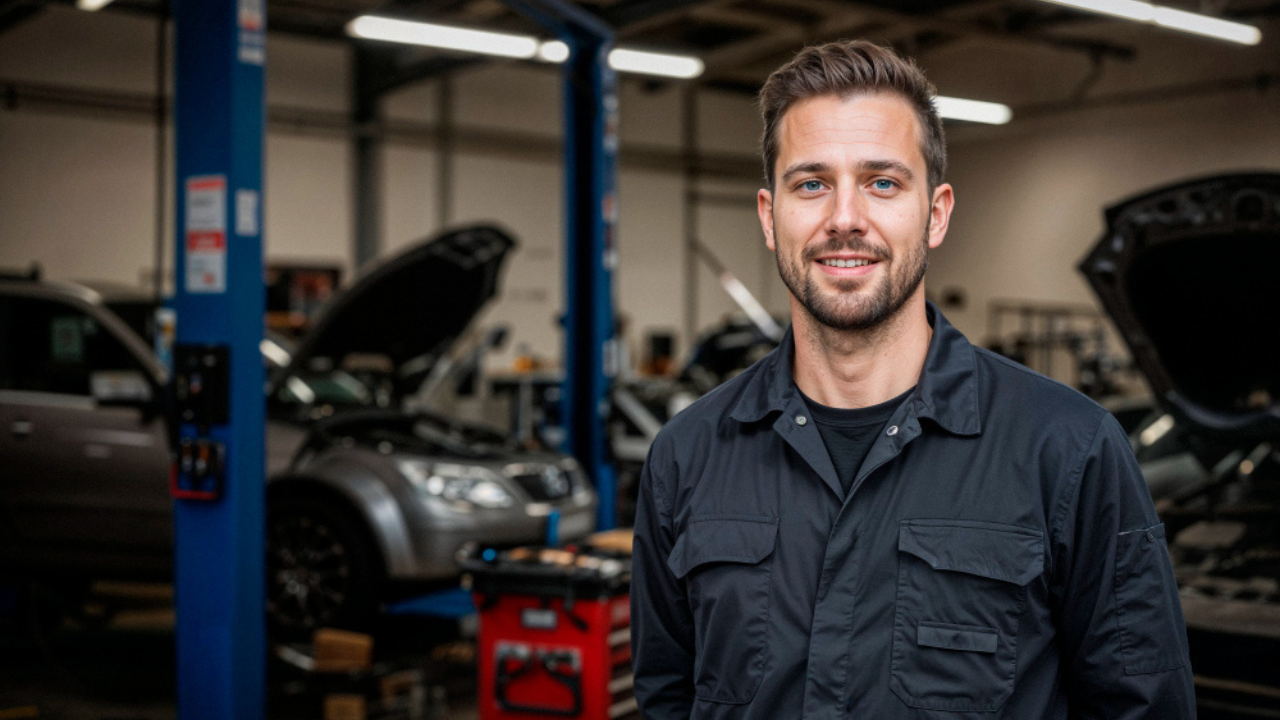
If you look around the United States, people aren’t changing their cars as often as they used to. Many just keep the same one for years and try to get as much use out of it as they can.
However, that comes with its own side of things.
The older the car gets, the more it asks for attention. Nothing huge all at once, but just small issues popping up now and then. One fix here, another after a while.
Over time and as the car ages, it becomes normal.
Because of that, people start sticking to mechanics they trust. Once you find someone reliable, you don’t really feel like experimenting every time something goes wrong.
From a business point of view, it’s pretty simple. More time on the road means more visits to the garage.
That’s why a repair business, especially an auto repair franchise, gets similar issues to fix frequently.
Also, this increase in the number is not a sudden development. This is happening because people are dealing with their cars in a certain way.
The Rise of Older Vehicles On The Road And The Role Of An Auto Repair Franchise
If you look around, people in the United States aren’t swapping out their cars as often as they used to.
Cars just stay with the same owner for longer now.
Even reports from S&P Global Mobility point out that the average car on the road is over 12 years old, which is pretty high.
It’s not that surprising, though.
Buying a new car has become a big expense, and most people don’t jump into that unless they really need to. Plus, cars today can actually last longer if you take decent care of them.
But once you decide to keep a car for years, things change a bit.
You can’t just ignore small issues anymore. Oil changes, minor fixes, replacing worn-out parts! It all becomes part of keeping the car going.
And honestly, this doesn’t seem like it’s going to change anytime soon. Prices are still up, and not everyone feels the need to upgrade.
So people just keep using what they have. It’s simple and practical.
Which basically means there are more older cars out there now, and they all need someone to keep them running.
Why Older Vehicles Require More Maintenance
If you hang on to a car long enough, you start to notice the pattern.
It’s rarely one big problem.
Also, it’s small things popping up every now and then. A sound you didn’t hear before, a slight shake, something that just feels off.
Nothing in a car lasts forever.
The brakes wear down, rubber parts don’t stay strong forever, and the way the car drives slowly changes.
You fix one issue, drive for a while, and then something else needs attention. That’s just how it goes with older vehicles.
After a point, it’s not only about basic servicing.
Random things begin to come up, and maybe the engine doesn’t feel as smooth, maybe there’s an odd electrical issue, or the ride just feels rougher than before. It’s not always predictable.
The more the car is used, the more normal this becomes. Even the most dependable cars need regular fixes once they’ve been around for years.
For repair shops, this is everyday work.
These cars don’t just show up once, and they come back from time to time with different issues.
And that naturally keeps skilled mechanics busy, because someone has to figure out what’s wrong and sort it out properly.
How Longer Ownership Drives Recurring Revenue
Extended ownership creates multiple service touchpoints throughout a vehicle’s lifespan. Drivers who retain vehicles for ten years or more typically return for:
- Regular oil and fluid services
- Brake and tire replacements
- Battery testing and replacement
- Scheduled inspections
- Major repairs as components age
Each visit represents revenue potential. Over time, repeat visits build predictable cash flow for service providers.
This recurring cycle benefits franchise models that emphasize customer retention and consistent service standards. For investors researching an auto repair franchise, the aging fleet trend strengthens the case for long-term stability.
Vehicles that remain in service longer generate more lifetime repair opportunities.
Consumer Behavior Reinforces Service Demand
Money has a lot to do with it, too. Buying a new car isn’t as easy as it used to be, and prices are high, and financing it isn’t cheap either.
So a lot of people just decide, “Let’s keep this one a bit longer.”
Even data from the U.S. Bureau of Economic Analysis shows that vehicle prices have stayed on the higher side, which makes people think twice before upgrading.
So instead of replacing the car, they just put some money into keeping it running. Fix what’s needed, stretch it for a few more years, and that’s usually the approach.
And when that happens, having a reliable local mechanic starts to matter more. You’re not just going there once, but you keep going back whenever something comes up.
In a way, repair shops become part of the whole ownership experience. If you’re not buying a new car, you’re maintaining the one you have—and that naturally keeps the work coming in for service providers.
Auto Repair Franchise Growth In A Stable Service Category
The automotive repair industry has long been considered resilient. The aging vehicle fleet further strengthens this stability. Franchise systems operating in this space benefit from:
- Established operational processes
- Recognized branding
- Centralized purchasing power
- Marketing support
- Training and certification programs
These elements allow franchisees to focus on execution while leveraging proven systems.
As vehicle ownership cycles lengthen, demand does not fluctuate dramatically based on trends.
Instead, it follows predictable maintenance patterns.
For entrepreneurs entering the sector, this predictability reduces uncertainty compared to industries driven by discretionary spending.
Technological Complexity Increases Professional Reliance On An Auto Repair Franchise
Let’s put it this way.
Earlier, if a car had an issue, people would at least try to figure it out. Open the hood, look around, maybe call someone, maybe fix something small. Sometimes it worked.
Now you can stare at the engine and still have no clue. Everything looks normal. Nothing is clearly broken. But when you drive, you can tell something’s not right.
That’s where most people stop trying.
It’s not about effort, and it’s just not obvious anymore. So they take it to a mechanic and let them handle it.
And the longer the car stays with you, the more you end up doing that.
Geographic Stability And Community Integration In Auto Repair Franchise
If you look at everything together, cars are getting older, prices are going up, and vehicles are becoming more complex. It kind of explains why repair businesses are seeing more work.
When people keep their cars for longer, they naturally spend more on keeping them running.
It’s not one big expense, but a series of smaller ones over time. And that means they keep coming back whenever something needs attention.
For businesses, that creates a steady flow.
The same customers return, and the work doesn’t really stop. It just changes depending on what the car needs next.
From an investment angle, it’s not hard to see why this space feels stable.
It’s something people can’t really avoid. If they’re keeping their cars, they have to maintain them.
And this isn’t just a temporary phase.
It’s more of a long-term shift in how people are using their vehicles now, and that keeps the demand for repair services going strong.
Margin Opportunities In Preventive Maintenance
With older cars, it’s usually the small things that matter most.
Ignore a minor issue for too long, and it can turn into something much bigger and a lot more expensive.
So people start paying a bit more attention. Getting things checked before they actually break down just feels safer. It’s not always urgent, but it helps avoid trouble later.
Most mechanics also point out what might need attention next. Not in a complicated way, but just simple suggestions so the car keeps running without surprises.
Because of that, visits to the garage don’t just happen when something goes wrong. They happen in between as well, just to keep things in order.
And when cars are kept for many years, this kind of routine care naturally becomes part of owning one.
Adapting To Future Industry Shifts
When something’s off with the car, most people don’t go hunting for options. They just head to the same nearby garage they’ve used before.
After a couple of visits, it just sticks.
You know the place, they know your car, and you don’t feel like starting over somewhere else. It saves time, honestly.
And now that people keep their cars for longer, you end up going back more often anyway. Different issue each time, same place.
After a while, it’s just routine. And if it’s been a decent experience, you might mention it to a friend or someone in the neighborhood.
That’s usually how these small garages keep getting more work, and nothing planned, it just happens.
A Trend With Long-Term Momentum
With an older car, it’s rarely one big issue. It’s small stuff here and there.
Easy to ignore at first. But leave it too long, and it usually turns into something bigger than it needed to be.
So people start being a bit more careful with it. Not because they have to, just to avoid getting stuck later.
A quick check now feels better than dealing with a breakdown later.
Mechanics usually mention things along the way. Nothing detailed, but just a heads-up like “this might need changing soon.” That’s about it.
Because of that, people don’t only go when something’s wrong. They show up in between as well, just to keep things from piling up. After some time, it’s just part of owning the car.
Read Also:







Related