































With tariff threats looming as a political tool in Washington and beyond, global markets remain alert for fresh rounds of disruption.
The mere possibility of sweeping trade measures has already influenced investment flows, pressuring export-dependent sectors, rattling currency markets, and prompting a reassessment of supply chain exposure.
In this environment, hedge funds that keep their portfolios insulated from broad market swings are drawing renewed attention. The appeal lies in their focus on strategies with low correlation to equity indexes or macroeconomic cycles, providing stability in a wave of geopolitical turmoil.
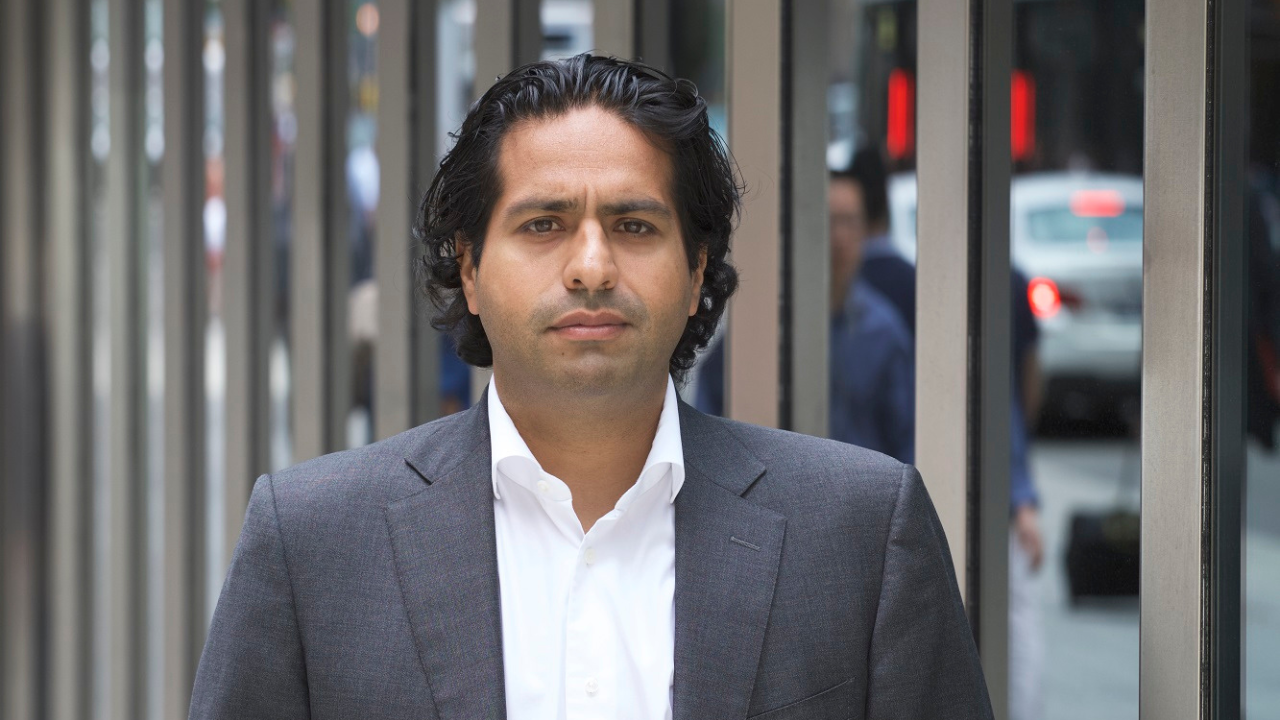
One example is Toronto- and Dallas-based Anson Funds, co-founded by Chief Investment Officer Moez Kassam. Known for its market-neutral, long-short approach,
Anson Funds builds positions designed to generate returns from both rising and falling prices, minimizing reliance on overall market direction. This framework allows managers to operate with a greater degree of independence from the day-to-day swings caused by policy announcements or trade negotiations.
The idea isn’t new, but recent history has increased its relevance. Hedge funds heavily exposed to directional bets were caught off guard in past episodes, such as when markets rallied sharply after tariff pauses, forcing managers to unwind shorts at a loss. In contrast, funds that balance long and short books, often enhanced with activism or special situation investments, have displayed greater durability.
As the tariff rhetoric continues to heat up, the range of potential outcomes widens. Industries reliant on cross-border manufacturing or global supply chains could face earnings pressure, while sectors less exposed to trade flows, such as certain healthcare or domestic financial services companies, may prove steadier.
Low-correlation strategies can take advantage of both sides of this equation, identifying undervalued opportunities while targeting overextended names vulnerable to policy fallout.
For high-net-worth investors, the shift is as much about mindset as market mechanics. Betting on a single market direction has become riskier in a world where political decisions can abruptly alter the playing field.
Strategies that sidestep this dependency with a disciplined approach, such as those practiced by Anson Funds and peers with similar mandates, offer a path for managing the next phase of trade and economic uncertainty.
The trade tensions brewing in the middle part of 2025 are layered on top of other market disruptors, from fluctuating commodity prices to currency volatility in emerging markets. Tariffs in particular can be unpredictable, as they are sometimes aimed at specific industries for strategic leverage, and other times deployed broadly to shift negotiating power.
This unpredictability makes them hard to hedge with traditional long-only strategies. Low-correlation managers can pivot faster, moving capital from one sector to another, adjusting position sizes, or shifting between equity and credit opportunities as conditions change.
Historically, periods of elevated policy risk have also created mispricings that such funds can exploit. Overreactions in the market can push valuations far below or above intrinsic value, creating opportunities for both sides of the book.
With liquidity drying up in some corners of the market, well-capitalized, nimble funds are often better positioned to step in to capture these dislocations when others are forced to sell.
If trade disputes deepen or become a long-term fixture of the geopolitical landscape, these adaptable, research-driven approaches could see more capital flow their way. For wealthy investors wary of letting political headlines dictate portfolio performance, low-correlation hedge fund strategies will likely become an increasingly important part of the allocation mix.
The coming months will test not only which firms have the best research, but which have the flexibility and discipline to execute on it without being whipsawed by political theater.
And if the past two decades of market history are any guide, the firms that succeed will be those willing to challenge consensus, act decisively on their convictions, and resist being pulled into the noise.
Read Also: