





















































































Crafting Engaging Newsletters: Strategies for Success
by Barsha Bhattacharya Blog Published on: 26 August 2025 Last Updated on: 08 December 2025
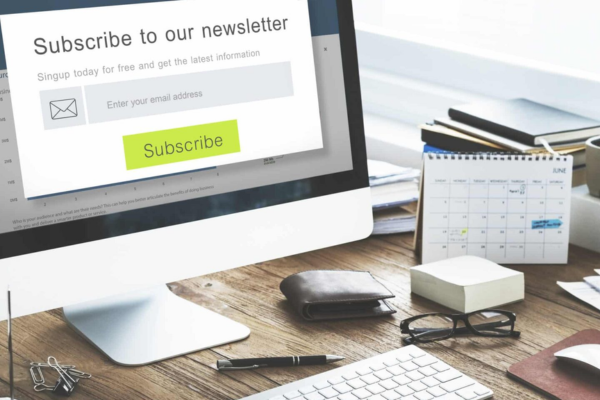
One of the fundamental foundations for a high-impact newsletter is a deep understanding of your audience. Knowing who you are writing for allows you to tailor topics, tone, and visuals to suit their preferences.
Start by analyzing customer data, website analytics, and engagement metrics from previous emails. Analyze which links are being clicked and which content is most read, as these insights reveal what truly resonates with your subscribers.
Dive even deeper by leveraging social listening tools and monitoring feedback on social media channels, as well as your website’s comment sections. Conducting periodic surveys for direct feedback can further illuminate what your subscribers expect from your newsletter, offering real insights into shifting interests and trends.
Additionally, reaching out with polls or open-ended questions in your emails can prompt valuable responses from your audience, making them feel included and valued in your ongoing development process.
If you need inspiration for engaging content, explore the diverse templates and resources available in the AI prompt marketplace, which can help spark new ideas tailored to your unique readership. Understanding audience personas isn’t a one-off task; trends shift, interests evolve, and staying relatable requires ongoing engagement with your subscriber base.
Frequent check-ins through engagement analytics and open feedback loops can keep your messaging fresh and timely, ensuring your newsletter remains relevant and engaging.
Segment your email lists based on factors like purchase history, interests, or location to deliver even more relevant newsletters. Not only does this approach foster reader loyalty, but it also increases your open and click rates over time.
Consistently refining your audience segments ensures that you’re delivering the right message to the right people, maximizing the value of your reach and driving better results from every campaign. As your business grows and adapts, so too should your segmentation strategies.
Consistency Is Key
Regularly publishing your newsletter with a standard schedule helps nurture anticipation and trust among your subscribers. Determine a frequency—be it weekly, bi-weekly, or monthly—and commit to it, setting subscriber expectations and ensuring your brand remains top of mind.
Subscribers appreciate reliability; erratic sending can result in disengagement or even increased unsubscribes, diminishing the effectiveness of your campaigns. Let your audience know upfront what to expect, whether it’s a Monday morning update or a monthly digest.
Consistency isn’t just about timing; it extends to your newsletter’s design, tone, and message. A recognizable style, logo, or header ensures that your emails are immediately associated with your brand, increasing familiarity and strengthening brand identity.
Thoughtfully designed templates and brand colors further reinforce that sense of reliability. By maintaining a cohesive appearance, you present your brand as professional and dependable every time someone opens your newsletter.
Over time, consistent branding makes your messages easily identifiable, fostering the kind of loyalty that keeps subscribers eagerly anticipating your next issue. Inconsistency in any of these areas can erode trust and result in lower engagement rates.
A fragmented approach can leave subscribers uncertain about your brand’s direction and intent, emphasizing why staying on-brand is so important.
Crafting Compelling Content
The backbone of your newsletter is engaging, value-driven content. Focus each issue on delivering concise yet informative updates, engaging stories, or curated resources that matter most to your audience.
Consider providing actionable tips, expert interviews, relevant news, or helpful guides that speak to your subscribers’ pain points or aspirations. Utilizing bullet points and numbered lists not only makes the newsletter scannable but ensures important details aren’t overlooked.
Storytelling for Deeper Connection
Personal stories, behind-the-scenes insights, or customer spotlights bring authenticity to your newsletter. Storytelling transforms ordinary updates into memorable narratives, enabling readers to form an emotional connection with your brand.
Incorporate narratives that showcase your company’s journey or initiatives, making your brand more relatable and trustworthy. Whenever possible, personalize content with the recipient’s name or tailored recommendations, making each subscriber feel valued and appreciated. Stories that highlight real customer experiences or showcase the impact of your brand create a sense of community.
Featuring success stories or lessons learned can also encourage interaction and inspire your audience, further reinforcing your position as an authority and a trustworthy companion in your field. Keep your content fresh by rotating types of stories and updating your content calendar as you learn what truly interests your subscribers.
Visual Appeal
An effective newsletter offers a seamless blend of compelling copy and visually engaging design. Use high-quality images, infographics, or GIFs to break up large blocks of text and draw attention to key sections. Infographics and data visualizations can distill complex information into easy-to-understand visuals, making your newsletter both insightful and visually pleasing. Even something as simple as an eye-catching header image or a clever illustration can help establish your brand’s personality and keep readers scrolling.
A clean, clutter-free layout supports an intuitive reading experience, making it easier for subscribers to find what interests them. Experiment with color schemes that match your brand and use visual hierarchy to highlight CTAs or special announcements.
Attractive banners, section dividers, and thoughtfully placed white space help guide the reader’s eye and make your content stand out without overwhelming them.
Keep in mind that visual consistency also aids in recognition and can further strengthen your brand identity. Invest in visuals that complement your content rather than distracting from it—you want readers to remember the message, not just the design.
Effective Call-to-Actions (CTAs)
Clear, concise CTAs are essential for guiding subscribers toward your goals—be it reading a new blog post, downloading an eBook, or participating in a poll. Each newsletter should have at least one primary CTA, strategically placed for visibility without disrupting the flow of content.
Support primary goals with secondary or contextual links that invite readers to explore further, such as visiting a resource page or sharing your newsletter with friends. However, too many CTAs can overwhelm your audience, so choose your main objectives wisely and keep the focus sharp.
Use action-oriented language such as “Download Now,” “See Our Latest Updates,” or “Join the Conversation.” Experiment with different placements and styles, such as contrasting buttons or hyperlinked text, to see what drives the best engagement.
Consider A/B testing the appearance and placement of your CTAs to identify the version that generates the most clicks. Testing and refining CTAs over time can lead to significant increases in click-through rates; however, always ensure they align closely with your broader campaign objectives and audience needs.
Mobile Optimization
With the majority of emails now read on smartphones and tablets, mobile optimization is a non-negotiable requirement. Responsive design ensures that your newsletter adapts smoothly to various screen sizes, enhancing readability and interaction across devices.
This not only boosts engagement but also reduces the chance of subscribers unsubscribing due to a poor experience. Use single-column layouts, legible font sizes, and adequate padding to improve tap targets and facilitate easy reading.
Short subject lines, easily tappable buttons, and simplified layouts all contribute to a frictionless mobile experience. Avoid using tiny links or small font sizes, as they can be frustrating for mobile readers. Regularly preview your emails on multiple devices before sending to catch any issues with formatting or broken links.
A mobile-first approach ensures that every subscriber, regardless of device, enjoys your content as intended. Mobile optimization is a crucial touchpoint where professionalism and user care are most evident to your readers.
Analyzing Performance
Measuring and understanding the effectiveness of your newsletter campaigns is key to ongoing improvement. Monitor metrics such as open rates, click-through rates (CTR), bounce rates, and overall subscriber growth to identify what’s working and where adjustments are needed. Low engagement rates might indicate the need to refresh subject lines, while high unsubscribe rates may signal that content or frequency need re-evaluation.
Use A/B testing to compare subject lines, content formats, or CTA placements. Review heatmaps to see where readers are clicking most frequently. Over time, analytics provide actionable insights—allowing you to refine content, increase engagement, and ultimately drive greater ROI with each issue.
For in-depth insights into best practices, refer to trusted resources such as Campaign Monitor’s Email Marketing Strategy Guide and HubSpot’s Email Marketing Best Practices.
Staying Compliant
Observing email marketing regulations isn’t just about avoiding spam traps—it’s about building trust and long-term subscriber loyalty. Always provide a clear and accessible unsubscribe link in every email and respect users’ privacy preferences.
Adhering to frameworks like the GDPR or CAN-SPAM Act ensures your messages stay welcome in inboxes everywhere. Include your physical business address and accurate sender information to comply with anti-spam laws.
Additionally, make your privacy policies transparent and regularly review compliance requirements as laws evolve. Inform subscribers of any changes in how their data is collected or used, and ensure that opting out is a hassle-free process. Responsible email practices reduce legal risks and reinforce a positive brand reputation, signaling to your subscribers that their trust is valued and protected.
Key Takeaways:
- Understand your audience to tailor content effectively.
- Maintain consistency in scheduling and branding.
- Incorporate compelling visuals and concise messaging.
- Analyze performance metrics to refine strategies.







Related