





















































































When Aging Powder Coating Equipment Becomes a Production Risk
by Pijus Maity Blog Published on: 10 February 2026 Last Updated on: 26 February 2026
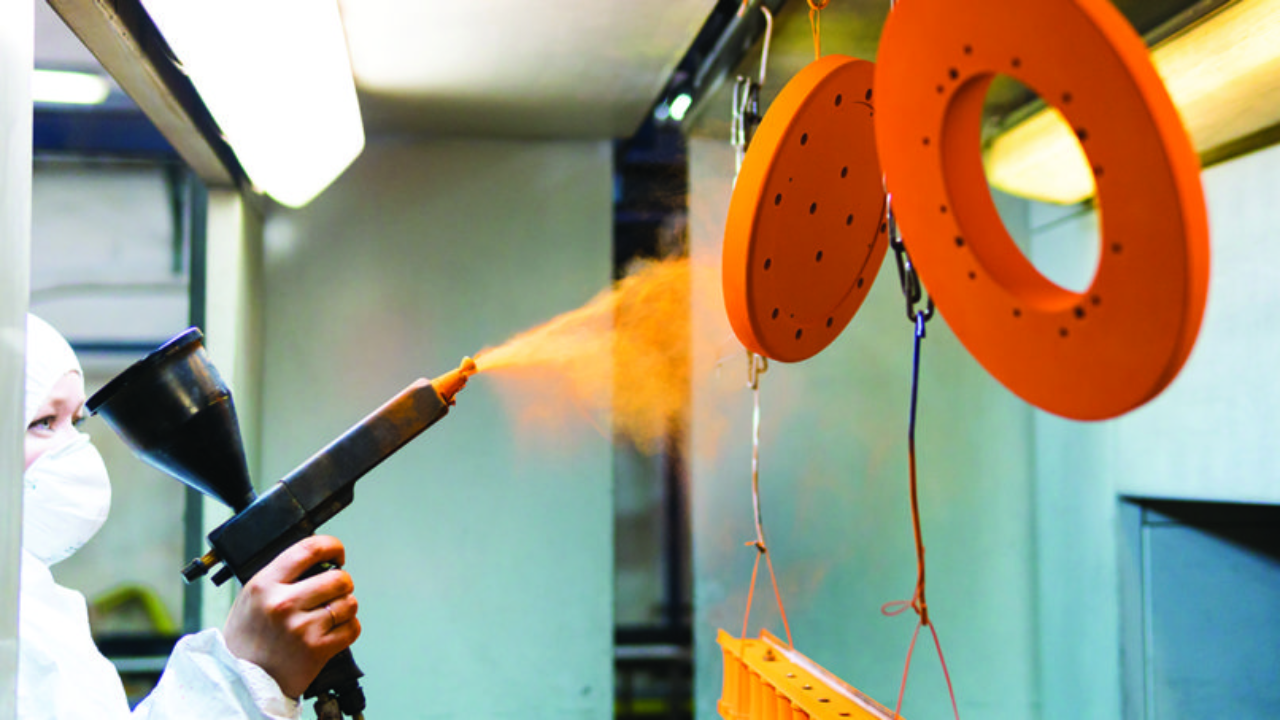
Aging finishing equipment often keeps running just well enough to avoid immediate replacement, while hidden issues compound beneath the surface. Understanding where older powder coating systems create risk helps manufacturers recognize when reliability has crossed into liability.
Overspray Buildup Slows down Coating Cycles
Overspray buildup is one of the earliest signs that powder coating equipment is falling behind modern demands. As booths age, airflow balance weakens and reclaim systems lose efficiency. Excess powder settles on walls, floors, and ductwork, forcing operators to slow application speeds to avoid defects. As buildup increases, cleaning cycles become longer and more frequent. Production pauses that once happened weekly may start occurring daily, eating into throughput. Shops often compensate by pushing equipment harder, which only accelerates wear and further slows coating cycles over time.
Uneven Curing Leads to Inconsistent Finishes
Consistent curing depends on stable temperature profiles throughout the oven chamber. Aging powder coating ovens often develop hot and cold zones as insulation degrades and burners or elements lose output. Parts entering the same cycle can exit with noticeably different cure levels.
That inconsistency shows up as color variation, poor adhesion, or premature coating failure in the field. Adjusting line speed to compensate rarely solves the root problem. Uneven curing is a clear signal that the industrial powder coating oven is no longer delivering uniform thermal performance.
Worn Booths Let Dust and Debris Settle on Parts
Booth interiors take constant abuse from airflow, powder impact, and routine cleaning. Over time, seams loosen, panels warp, and surfaces lose their smooth finish. These changes allow dust and debris to circulate instead of being captured properly.
Contamination becomes more frequent, especially during high-volume runs. Even minor airborne debris can ruin a fresh coat, forcing rework or scrap. When booth wear reaches this stage, overall powder coating systems struggle to maintain clean application environments.
Old Ovens Struggle to Hit Target Temperatures
Older ovens often struggle to recover heat between cycles. Burners may fire longer, elements may lag, and control feedback becomes less precise. Operators notice longer warm-up times and inconsistent dwell temperatures.
These delays disrupt scheduling and reduce daily output. Attempts to compensate by extending bake times increase energy use without guaranteeing better results. An aging powder coating oven for sale might appear functional, but its inability to reach and hold target temperatures creates ongoing production risk.
Failing Filters Contaminate Fresh Powder Coats
Filters play a critical role in keeping powder airborne only where it belongs. As filter media ages, efficiency drops and fine particles bypass capture points. This allows contaminants to re-enter the booth and settle on freshly coated parts.
The result is a rise in surface defects that cannot be corrected after curing. Frequent filter changes help, but older housings often fail to seal properly. At that point, the problem lies with the powder coating equipment itself, not routine maintenance.
Erratic Conveyor Systems Disrupt Workflow Timing
Conveyors tie the entire finishing line together. Worn chains, stretched links, and aging drives introduce speed fluctuations that affect coating thickness and cure timing. Parts may bunch up or drift too far apart, disrupting downstream processes.
These timing issues ripple across the line, forcing manual adjustments that slow production. Inconsistent conveyor movement also increases the risk of part collisions and handling damage. Reliable powder coating equipment package designs rely on stable, predictable conveyance to protect workflow.
Excess Downtime for Repairs Kills Schedule Flow
As equipment ages, unplanned repairs become more common. Small failures that once took minutes to address begin causing extended shutdowns due to hard-to-find parts or outdated designs. Maintenance teams spend more time reacting than improving.
This unpredictability makes scheduling difficult and erodes customer confidence. Frequent downtime is one of the strongest indicators that existing powder coating systems are no longer supporting production goals. The cost shows up not only in repairs, but in missed delivery commitments.
Inefficient Equipment Wastes Powder and Energy
Older application systems often lack the transfer efficiency of modern designs. More powder ends up on booth surfaces or in reclaim bins instead of on parts. At the same time, ovens consume more energy to achieve weaker results.
Waste accumulates quietly until material and utility costs spike. Efficiency losses like these are often overlooked because they happen gradually. Over time, inefficient powder coating equipment for sale alternatives begin to look more attractive as operating costs climb.
Unreliable Controls Make Quality Hard to Guarantee
Control systems age just like mechanical components. Outdated logic, drifting sensors, and limited diagnostics reduce visibility into what the line is actually doing. Operators rely more on experience than data to keep production moving.
Quality becomes harder to guarantee when controls cannot respond accurately to process changes. Adjustments turn into guesswork rather than precision. Modern powder coating equipment depends on reliable controls to maintain consistency across every shift and every batch. Reliant Finishing Systems can help manufacturers evaluate aging finishing lines and identify where equipment performance creates production risk. Their team designs updated powder coating solutions that improve consistency, efficiency, and reliability without unnecessary disruption. With modern systems and engineering support, facilities can protect quality while keeping production on schedule.







Related