


















































































Banquet Insurance 101: Your Essential Coverage Guide
by Piyasa Mukhopadhyay Blog 17 September 2025
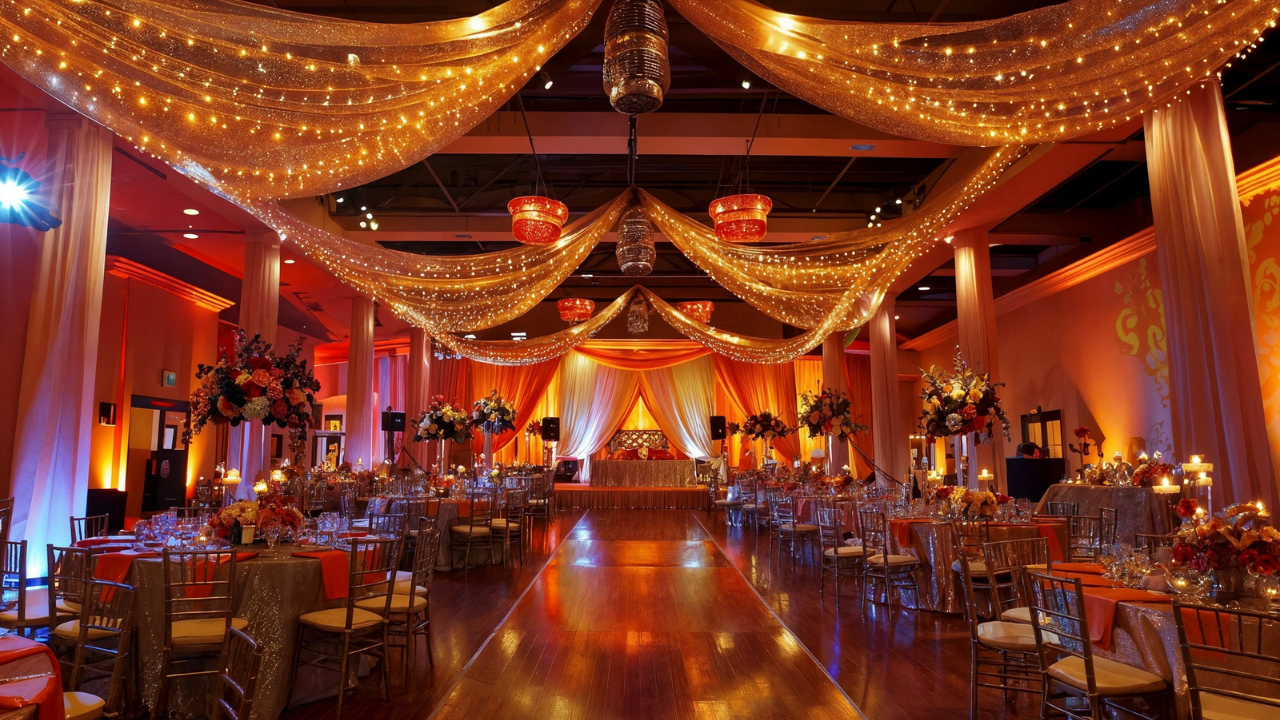
Planning a special event like a banquet is exciting. It’s a chance to celebrate milestones, bring people together, and create lasting memories. However, even the most carefully planned events come with unexpected risks. What if a guest has an accident? What if bad weather forces a last-minute change?
These situations can lead to significant financial losses and stress. That’s where banquet insurance steps in. It’s a vital tool designed to protect your financial investment and provide peace of mind.
This type of coverage, often known as special event insurance, is essential for any event organizer. Venues frequently require it before they even book your date. It acts as a safety net, guarding against unforeseen problems that could otherwise derail your event or your budget.
Whether you’re planning a corporate gala, a wedding reception, or an awards ceremony for an amateur sports team, understanding your options for protection is key. For example, specific coverage custom for events like an Amateur sports banquet insurance can address unique needs.
In this comprehensive guide, we will explore everything you need to know about banquet insurance. We’ll cover what it is, why it’s so important, and the types of financial losses it covers. We’ll also look at how it protects against common risks, such as:
- Slips and falls: Accidents can happen, even in the safest environments.
- Property damage: Accidental spills or broken items at the venue.
- Vendor issues: Problems with caterers, decorators, or entertainers.
- Extreme weather: Storms or other natural events that force cancellation.
- Alcohol-related incidents: Liabilities arising from alcohol service.
By the end of this guide, you’ll understand the main components of a policy, factors influencing its cost, and when is the best time to purchase this crucial coverage. Let’s make sure your next banquet is a success, without the worry.
When we talk about banquet insurance, it’s not a single, monolithic policy. Instead, it’s typically a combination of essential coverages designed to address the diverse risks associated with hosting an event.
The two primary pillars of banquet insurance are event liability coverage and event cancellation coverage. Understanding these core components is crucial for any event organizer looking to protect their financial investment and reputation.
Event Liability Protection: Guarding Against Accidents
Event liability insurance is arguably the most critical component of a banquet insurance policy. It protects the event organizer from financial losses if they are held legally responsible for bodily injury to a third party or damage to property belonging to others during the event. This coverage is fundamental because accidents, no matter how carefully planned an event is, can and do happen.
Let’s break down what event liability typically covers:
- Bodily Injury: This protects you if a guest or another third party suffers an injury at your event and holds you responsible. Imagine a scenario where a guest trips over a loose carpet, or slips on a spilled drink and breaks an arm. Without liability coverage, the event organizer would be personally liable for medical bills, lost wages, and potentially pain and suffering. Event liability insurance covers these costs, including legal defense fees, even if the claim proves to be unfounded. Policies typically offer substantial limits, with Event Liability limits starting at $1,000,000 and often going up to $5,000,000.
- Third-Party Property Damage: Accidents can extend beyond personal injury to property. This coverage protects you if you or someone associated with your event accidentally damages the venue’s property or property belonging to a third party. For instance, if a server accidentally knocks over an expensive vase at the banquet hall, or if a guest spills red wine on a valuable rented linen, this coverage would help cover the repair or replacement costs.
- Liquor Liability: If alcohol is served at your banquet, whether it’s an open bar or a cash bar, liquor liability coverage is absolutely essential. This protects you from claims arising from alcohol-related incidents. For example, if an intoxicated guest causes an accident after leaving your event, or if there’s an altercation involving an inebriated attendee, you could be held liable. Host liquor liability is specifically designed for situations where you are not in the business of selling or serving alcohol but are providing it at your event. Some policies offer liability limits up to $5,000,000 for this crucial coverage. It’s important to note that if a professional caterer or bartender is serving the alcohol, they should also have their own liquor liability insurance.
- Medical Payments: This coverage provides for immediate medical expenses for injured parties, regardless of fault. It’s often a smaller amount (e.g., $10,000) but can be invaluable for quickly resolving minor injuries without admitting negligence or escalating to a full liability claim. It’s a gesture of goodwill that can prevent larger lawsuits.
- Legal Defense Costs: One of the most significant benefits of event liability insurance is that it covers the cost of legal defense. Even if a claim against you is baseless, defending yourself in court can be incredibly expensive. This coverage ensures that you have the resources to protect yourself legally, regardless of the outcome.
- Venue as Additional Insured: Most banquet halls and venues will require you to name them as an “Additional Insured” on your policy. This extends some of your liability coverage to them, protecting them from claims that arise from your event. It’s a standard practice that venues use to mitigate their own risk, and providing a Certificate of Liability Insurance (COI) with them listed is often a prerequisite for booking. This demonstrates to the venue that you are taking responsibility for potential incidents during your event.
Event liability insurance provides a critical financial buffer, shielding you from the potentially devastating costs of lawsuits, medical bills, and property damage claims that can arise from unforeseen incidents at your banquet. It allows you to focus on hosting a successful event, knowing that you are protected against common liabilities.
Event Cancellation & Postponement: Protecting Your Investment
While event liability focuses on what happens during your event, event cancellation coverage addresses the financial fallout if your banquet can’t happen at all, or needs to be significantly delayed. This coverage is vital because banquets, especially large ones, involve substantial upfront financial commitments. Deposits for venues, caterers, entertainment, and decorations can quickly add up, and many of these are non-refundable.
Event cancellation insurance reimburses you for lost deposits and other charges when unforeseen circumstances force you to cancel or postpone your function. This protection is not just about a “change of heart”; it covers situations that are genuinely beyond your control.
Common scenarios covered by event cancellation insurance include:
- Extreme Weather: This is a major concern for many events. If a hurricane, blizzard, severe flood, or other catastrophic weather event makes it impossible or unsafe for your guests or vendors to attend, or damages the venue, this coverage can kick in. It ensures that your financial investment isn’t completely lost due to Mother Nature’s unpredictability.
- Vendor Failure: Imagine your caterer suddenly goes out of business a week before your event, or your band cancels due to illness. This coverage can reimburse you for non-refundable deposits paid to vendors who fail to provide their services, helping you mitigate losses and potentially find last-minute replacements.
- Venue Unavailability: If your chosen banquet hall becomes unusable due to unforeseen circumstances like a fire, flood, or unexpected closure, event cancellation coverage can reimburse you for the deposits you’ve made. This allows you to recover your funds and seek an alternative location.
- Illness or Injury of Key Individuals: For personal events like a wedding reception, this might cover cancellation if the bride, groom, or a key family member becomes seriously ill or injured. For corporate banquets, it might cover if a crucial keynote speaker or dignitary is unable to attend due to unforeseen circumstances.
- Non-Refundable Deposits and Cancellation Fees: This is the core financial protection. It covers the money you’ve already paid that you won’t get back, such as deposits for the venue, catering, rentals, entertainment, and even special gifts or attire if they are rendered unusable due to the cancellation.
- Postponement Coverage: Some policies also offer coverage for the additional costs incurred if you have to postpone your event rather than outright cancel it. This could include fees for rescheduling, or new deposits required for a new date.
Event cancellation coverage does not typically cover a simple “change of mind” or “cold feet.” It’s designed for genuine, unavoidable circumstances. Policies starting at a low cost can provide significant peace of mind, protecting your substantial financial investment.
For specialized events, such as a large gathering for an amateur sports team, ensuring you have comprehensive protection for your banquet can be invaluable. This type of coverage is distinct from liability, but equally important for safeguarding your financial outlay.
Navigating Your Banquet Insurance Policy
Once you understand the fundamental coverages, the next step is to steer the practical aspects of obtaining and understanding your banquet insurance policy. This involves recognizing the factors that influence its cost, knowing the optimal time to purchase, and being aware of what might not be covered.
Key Factors That Influence The Cost Of Amateur Sports Banquet Insurance
The cost of banquet insurance is not a one-size-fits-all figure. It varies based on several key factors, as each element contributes to the overall risk an insurer takes on. Understanding these factors can help you anticipate costs and make informed decisions about your coverage.
- Number of Attendees: This is one of the most significant cost drivers. More guests mean a higher potential for accidents, injuries, or property damage. An event with 50 guests will naturally cost less to insure than a banquet with 500. Insurers assess the “exposure” based on the crowd size. For example, the cost of special event insurance can range from $.90 per $100 of exposure. If you need $1 million of coverage, you could expect to pay around $900. For an event with 1,000 attendees and a liability coverage limit of $1 million per occurrence (with a $2 million aggregate), premium costs could range from $175 to $500.
- Event Duration: The longer your event, the higher the risk. A one-day banquet will be less expensive to insure than a multi-day conference with several banquet functions. Policies can be purchased for durations as short as an hour or up to a week, allowing for flexibility and cost efficiency. For instance, Thimble’s Banquet Insurance policies covering a small group for a day can cost as little as $115.
- Alcohol Service: As discussed, serving alcohol significantly increases the risk of incidents and, consequently, the cost of your policy. If you plan to serve alcohol, you will need to add host liquor liability coverage, which comes at an additional premium. The presence of alcohol introduces a higher potential for bodily injury claims, property damage, and even legal issues arising from intoxicated guests.
- Location and Venue Type: The venue itself can influence the cost. Some venues might have higher inherent risks (e.g., older buildings, complex layouts, or locations in high-crime areas). Outdoor events might also carry different risks (e.g., weather-related) compared to indoor events. The specific requirements of the venue, such as higher liability limits or specific endorsements, can also impact the premium.
- Type of Event and Activities: While banquets are generally low-risk, certain elements or activities within a banquet can increase costs. For example, if there’s live entertainment with pyrotechnics, or if guests are encouraged to participate in activities that could lead to injury, the premium might be higher. The overall nature and purpose of the event also play a role.
- Coverage Limits and Deductibles: Naturally, higher liability limits (e.g., $5,000,000 instead of $1,000,000) will result in a higher premium. However, higher limits offer greater protection against catastrophic claims. Conversely, choosing a higher deductible (the amount you pay out-of-pocket before insurance kicks in) can lower your premium, but means more initial expense for you in the event of a claim. Many event liability policies, however, come with No Deductible for liability claims.
- Specific Requirements: Any special requests or endorsements required by the venue or other parties (e.g., specific types of coverage, or naming multiple additional insureds) can also affect the final price.
By carefully considering these factors and providing accurate information to your insurance provider, you can obtain a quote that accurately reflects the risks of your banquet and ensures you have appropriate coverage without overpaying.
When To Purchase And What To Look For
Timing is crucial when it comes to purchasing banquet insurance, and what you look for in a policy can make all the difference in your protection.
When to Purchase: The best time to purchase banquet insurance is as soon as you begin making deposits for your event. This proactive approach ensures that your financial investment is protected from the earliest stages of planning. Unexpected issues, such as a vendor going out of business or a venue becoming unavailable, can arise months before your event.
While liability coverage can often be purchased closer to the event date (sometimes even one day prior), event cancellation coverage typically has a longer lead time. Many insurers require event cancellation coverage to be purchased at least 14 days before your function date.
Some providers, like eSportsInsurance, allow you to buy both types of coverage up to 24 months in advance, offering maximum flexibility and peace of mind. Purchasing early means you’re covered for a wider range of potential issues that could impact your event.
What to Look For:
- Comprehensive Coverage: Ensure the policy adequately covers both event liability (bodily injury, property damage, liquor liability) and event cancellation for the specific risks associated with your banquet. Don’t just settle for the minimum required by your venue; assess your actual exposure.
- Reputable Insurer: Choose an insurer with a strong financial rating and a good reputation for customer service and claims handling. Read reviews and ask for recommendations.
- Clear Policy Language: Make sure you understand what is and isn’t covered. Don’t hesitate to ask your insurance provider to clarify any confusing terms or clauses. A thorough understanding of your policy can prevent surprises later.
- Ability to Add Additional Insureds: Confirm that the policy allows you to easily add your venue, vendors, or sponsors as additional insureds if required. This is a common requirement and should be a straightforward process.
- Online Quote and Purchase Process: Many modern insurance providers offer convenient online platforms to get quotes and purchase policies quickly. This can save you time and streamline the process. Look for providers that offer policies that can be insured online in six minutes or less.
- Certificate of Insurance (COI): Understand how to obtain your Certificate of Insurance promptly. Venues will typically require this as proof of coverage before your event. Ensure it reflects all necessary details, including the venue as an additional insured and the correct liability limits (e.g., Event Liability (Bodily Injury & Property Damage): $5,000,000, Tenant’s Legal Liability: $1,000,000, Medical payments: $10,000, and No Deductible).
- Customer Support: Consider the availability and responsiveness of customer support. Being able to easily reach someone to answer questions or assist with a claim is invaluable.
By being proactive about when you purchase your policy and diligent about what you look for, you can secure robust protection that safeguards your business from unexpected challenges.
Understanding Common Exclusions In Amateur Sports Banquet Insurance
While banquet insurance offers crucial protection, it’s equally important to understand what it doesn’t cover. These are known as exclusions, and they are standard in insurance policies to define the limits of coverage. Being aware of common exclusions helps manage expectations and avoid surprises if a claim arises.
Here’s a list of common exclusions you might find in a banquet insurance policy:
- Intentional Acts or Willful Negligence: Policies typically do not cover damage or injury caused by intentional acts, criminal behavior, or willful negligence on the part of the event organizer or attendees. For example, if someone purposefully damages property or assaults another person, the insurance will likely not cover the resulting claims.
- Pre-existing Conditions or Foreseeable Events: If a risk was known or reasonably foreseeable before the policy was purchased (e.g., the venue already had a leaky roof, or a vendor had a known history of unreliability), claims related to these issues might be excluded. Similarly, if a hurricane is already named and heading towards your event location when you purchase the policy, related cancellation might not be covered.
- Change of Mind/Cold Feet: For event cancellation coverage, a simple decision to cancel the event due to a change of heart, or a personal disagreement, is generally not covered. The cancellation must be due to an unforeseen and unavoidable circumstance as defined in the policy.
- Communicable Diseases: While some policies have begun to offer endorsements for communicable disease-related cancellations, many standard policies still exclude this. It’s crucial to check your specific policy language regarding pandemics or outbreaks.
- High-Risk Activities: Events involving inherently dangerous activities are often excluded or require special, separate endorsements. While less common at typical banquets, examples include fireworks displays, professional sporting competitions, use of firearms, carnival rides, or live animals (unless specifically covered). Some policies also exclude events with more than 500 guests, events at remote locations, bachelor/bachelorette parties, color runs, gun shows, and animal shows.
- Property of the Insured: Your own property (e.g., personal decorations you bring, or equipment you own) is usually not covered under the event liability portion of the policy. You would need separate personal property insurance for that.
- Vendor’s Own Liability/Property: Your banquet insurance policy generally covers your liability as the event host, not the liability of your independent vendors (like caterers, DJs, photographers, or decorators). These vendors should carry their own commercial general liability insurance to cover their specific risks. If a vendor causes damage or injury, their policy should respond.
- Terrorism or War: Acts of terrorism, war, or military action are almost universally excluded from standard insurance policies.
- Nuclear Hazard: Damage or injury resulting from nuclear hazards is also a standard exclusion.
- Damage to Rented Property (Tenant’s Legal Liability): While some policies include Tenant’s Legal Liability, it’s crucial to confirm the limits. This coverage protects you if you accidentally damage the venue you are renting. If not included, or if the limits are too low, you could be responsible for significant repair costs.
It is paramount to read your insurance policy thoroughly. The “Exclusions” section outlines the specific circumstances under which your coverage will not apply. If you have any questions or concerns about what is or isn’t covered, discuss them with your insurance provider before your event. This due diligence ensures you have a clear understanding of your protection and can address any potential gaps in coverage.
Conclusion: Protecting Your Event With Banquet Insurance
Planning and executing a successful banquet is a significant undertaking, filled with countless details and considerable financial investment. While the excitement of the event often takes center stage, the underlying risks—from unexpected accidents to unforeseen cancellations—can pose serious threats to both your budget and your peace of mind.
Banquet insurance, often a specialized form of event insurance, emerges as an indispensable tool in this landscape. We’ve explored its core components: event liability protection, which shields you from the financial repercussions of third-party bodily injury and property damage, and event cancellation coverage, which safeguards your deposits and expenses against circumstances beyond your control.
We’ve seen how these coverages mitigate risks stemming from slips and falls, property mishaps, vendor issues, extreme weather, and alcohol-related incidents.
Understanding the factors that influence the cost of your policy—such as attendee count, event duration, and the presence of alcohol—empowers you to make informed decisions.
Furthermore, knowing when to purchase your policy (ideally, as soon as deposits are made) and what to look for (comprehensive coverage, reputable insurers, clear terms, and the ability to add additional insureds) ensures that your protection is both timely and robust. Crucially, recognizing the common exclusions in a policy helps you understand its limitations and avoid unwelcome surprises.
Venues increasingly require event organizers to carry liability insurance, often requesting to be named as an additional insured. This isn’t just a bureaucratic hurdle; it’s a testament to the essential role insurance plays in today’s event landscape. By securing banquet insurance, you’re not just ticking a box; you’re making a strategic investment in the success and financial security of your event.
Banquet insurance provides the invaluable gift of peace of mind. It allows you to focus on the celebratory aspects of your banquet – the joy, the connections, the memories being made – rather than being consumed by worry over what might go wrong.
It’s a small price to pay for the confidence that comes with knowing your investment is protected, and that you can steer any unforeseen challenges with a reliable safety net in place. For more information on our insurance offerings, explore our Special Event Insurance and Event Insurance Vendors pages. We look forward to helping you safeguard your big day.
Read Also:







Related