























































































Budgeting for a Commercial Construction Project: Common Pitfalls to Avoid
by Barsha Bhattacharya Blog 05 June 2025
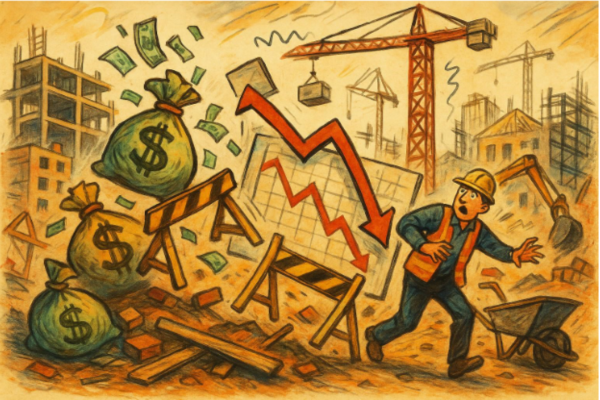
Taking on a commercial building project means bringing great ideas and designs to life, with all the thrill of watching something new emerge. However, beneath all the hype and excitement, the budget remains at the heart of every project.
Managing the financial end of things isn’t simply a matter of crunching numbers—it’s about navigating numerous obstacles that can quickly derail your project.
Studies show that about 98 percent of construction projects end up costing more than expected or falling behind schedule. This high number demonstrates just how quickly things can go wrong if budgeting is not carefully planned and supervised.
Imagine your budget to be the fiscal foundation of your project. Without a well-defined budget, even the most wonderful ideas can collapse. Your budget isn’t a guess-but it’s a living document that drives every choice, such as purchasing materials or scheduling your team.
For instance, ensuring that you have the funds for the installation and subsequent maintenance or repair of critical components, such as the cast iron restoration, is part of sound budgeting.
So, why is good budgeting so hard, and what do project managers and owners need to be cautious about? Let’s dissect.
What Does Commercial Construction Budgeting Mean in a Building Project?
In simple terms, commercial construction budgeting means estimating and dividing up the money you’ll need to finish the project. It’s about planning and setting realistic goals for where your money will go from start to finish.
1. Main Parts of a Construction Budget
A good construction budget is more than a bottom line. It provides a detailed breakdown of each anticipated expense, ranging from the cost of materials and labor to less apparent costs, such as permits, insurance, and lawn care after completion.
These costs fall into two broad categories: costs of the primary build (direct costs) and the total budget for the project from beginning to end (indirect and other costs).
2. Knowing Direct and Indirect Costs
Direct costs are directly associated with the building. This would include items such as concrete, steel, and lumber, as well as workers’ and subcontractors’ wages, equipment rental, and the installation of systems such as plumbing or HVAC.
Doors, windows, and the other finishes are also included. Indirect costs, as the name implies, are a requirement but are less directly associated with the building work.
These include items such as permits, site surveys, insurance, loan fees, office expenses, legal fees, and utility charges for temporary power or water. You must have both kinds in your budget.

3. The Requirement for Contingency Funds
Regardless of how well you plan, something unexpected almost always occurs. Material costs can rise, site surprises may be encountered, or you may need to modify your design.
That’s why you need to always budget for a contingency fund—typically 5-10% of the entire budget, based on the job. This provides you with a cushion for unexpected expenses. Omitting this fund is dangerous-if things go awry, you might be in a bad position.
Why Accurate Commercial Construction Budgeting Matters?
Proper budgeting is not simply a matter of knowing how much your work will cost. It aids in improved planning, reduces risk, and helps keep the project on track.
1. What Goes Wrong When Budgeting Doesn’t Work?
Poor budgeting can lead to serious issues. You may find yourself short of funds and struggling to pay your staff or suppliers.
Surprise costs can cannibalize your profits, converting a lucrative job into a significant loss. For contractors, making these same errors repeatedly can damage your reputation and make it more difficult to obtain loans in the future. For owners, it could mean retrenching or, in extreme instances, abandoning the job altogether.
2. How Cost Overruns Delay Projects
Coming in over budget typically results in delays. When funds become short, decisions are held up, resources become scarce, or work may need to shut down until you can afford to pay for what’s next.
These delays set your schedule back, resulting in additional fees and dissatisfied clients or lenders. Financial issues nearly always result in delays later on.
Why Do Commercial Construction Projects Come in Over Budget?
Understand what tends to drive budgets off track, and you’ll learn how to stay away from these pitfalls. Every project is different, but some commonalities recur frequently.
1. Shortages of Skilled Labor
It can sometimes be challenging to find sufficient skilled labor. If there isn’t enough, pay increases and businesses may hire less skilled employees who work more slowly and make more errors. This results in delays and increased cost.
2. Changes in Material Prices
Material prices can skyrocket unexpectedly due to world supply issues, political upheavals, or other unexpected circumstances (such as a pandemic). Even after things quiet down, prices usually remain elevated. Failing to budget for price hikes can quickly derail your budget.
3. Design Changes During the Build
Shifting the plan once work has begun-called scope creep-nearly always adds expense and takes longer. Whether due to altering client requirements or unexpected findings, these detours accumulate very quickly. Keeping tight control on changes is critical.
4. Hidden Site Issues
Occasionally, the Earth itself presents problems. Contamination of the soil, surprises such as unforeseen rocks, or other underground issues can result in additional labor, specialized tools, or delays, all of which can increase costs.

Common Commercial Construction Budgeting Mistakes and How To Avoid Them
Understanding why overruns occur can help you identify and avoid those issues, both when creating your budget and throughout the project.
1. Bad Cost Estimates
This is the greatest trap. Errors made in the early estimate-poor research, working with outdated data, or plain error-place you in trouble before you begin.
Working with antiquated spreadsheets increases the likelihood of errors. Utilize reliable, up-to-date cost estimation software and conduct independent verification whenever possible.
2. Poorly Defined Project Scope
If you do not specifically define what is included in the work from the beginning, you are opening yourself up to new work and design modifications. All of these are more expensive. The more your documents and contracts are worded, the more likely you are to come in on budget.
3. Failing to Plan for Unforeseen Circumstances
You can’t anticipate all problems in advance, but you must prepare for the unexpected, such as weather-related issues, labor strikes, or major accidents. A lack of a sufficient contingency fund can necessitate difficult choices later on.
4. Poor Buying or Subcontractor Decisions
Mistakes in ordering, waste materials, or selecting untrustworthy subcontractors will damage your budget and your timeline. Ensure that you have a trustworthy system for ordering material and handling subcontractors to prevent costly delays.
5. Payment and Cash Flow Problems
Slow payments from clients or holding off on paying your suppliers and subs can bring the job to a halt and damage relationships. Ensure your budget aligns with how and when people will be paid to keep things moving smoothly.
6. Communication Problems
Many individuals are involved in a construction project, including owners, architects, engineers, contractors, subcontractors, and suppliers. Miscommunication or misunderstandings can result in costly errors or repeating actions unnecessarily. Frequent, open communication is essential.
7. Mistakes in Contracts and Purchasing Documents
Contract or bid errors, including minor ones, can result in legal issues or delays. The correct individuals in authority should review these documents very carefully and look for errors or unclear language.

Means Of Avoiding and Managing Budget Errors
Simply identifying issues is not enough. You also need to be forward-looking from the outset and maintain a watchful eye until completion.
1. Thorough Planning and Research in the Beginning
You’ll save the most money before construction even starts. Utilize up-to-date industry data and conduct thorough site inspections, including soil tests and surveys. Bringing in a general contractor early on can improve both your budget and the final design.
2. Clear Project Scope and Strong Documentation
Carefully delineate precisely what your project entails. Use transparent forms and templates, and revise them as plans change. This avoids confusion and enables you to monitor costs effectively.
3. Smart Buying and Contracting
Seek opportunities to accomplish the same job cheaper-perhaps by utilizing less expensive materials that will still fulfill your requirements. Select subcontractors who are reliable and thrifty. Compare multiple bids to obtain optimal value without compromise on quality.
4. Real-Time Budget Tracking With New Tools
Don’t depend on spreadsheets alone. Leverage project management tools and cloud-based platforms to monitor your budget in real time as work gets done. This catches issues early when they’re cheaper and easier to correct.
5. Regular Risk Checks and Up-to-Date Contingencies
Monitor new risks along the way, from changes in the marketplace to local site issues, and revise your contingency plan accordingly. Ensure that you have a sufficient reserve fund, depending on the size and risks of your project.
6. Open Communication With the Whole Team
Establish and maintain lines of communication. Check in with owners, contractors, and subs regularly so issues are caught before they become larger, costlier problems. Maintain contact with local officials to prevent misunderstandings and delays.
7. Process Change Orders Transparently
Because changes are inevitable, have a process for dealing with them. Write down the change, its cost, duration, and who needs to approve it. This helps keep everyone on the same page and deters surprise costs.
What If Your Construction Project Goes Over Budget?
Despite all the proper protocols, sometimes costs creep upward anyway. If that happens, moving swiftly is important in limiting damage.
1. Inform All at Once
When you notice that the budget is being strained or violated, inform everyone involved—owners, banks, and key team members—all at once. Delaying only makes things worse.
2. Seek Means to Repay Costs
With your team, subcontractors, and suppliers, check whether you can cut costs by, say, altering materials or construction methods. Renegotiating contracts may also be effective.
3. Re-Define the Project Scope
If necessary, re-think what absolutely must be done. Certain features can be deferred or eliminated to bring spending back into line.
4. Explore Additional Financing If Necessary
If reducing expenses and narrowing the scope fail to solve the problem, you may need to explore additional financing options, such as taking out additional loans or forming partnerships, to obtain the required funds.
5. Make Mistakes Less Likely
Regardless of the result, review why overspending occurred afterwards and make notes on key points to remember for next time. It keeps you from repeating the same mistakes.

Key Points for Effective Commercial Construction Budgeting
Determining commercial construction budgeting aspect is difficult, but not unrealistic. Absolutely no overruns are unlikely, but effective budgeting does matter significantly.
It begins with proper planning and research before any construction work. Proceed slowly at this stage, as it is where you can establish the project, identify issues early, and prepare your budget for success. Take counsel from seasoned experts as early as possible.
Use reliable cost-estimating, expense-tracking, and progress-reporting systems. Modern technology can do much of the work for you, and quickly bring problems to your attention. Ensure your team provides accurate and truthful financial information.
Be open and clear in communication with all. Miscommunication is expensive. Regularly look out for risks, and always have a realistic backup (contingency) fund. Select the method of project delivery that best meets your needs and budget.
Ultimately, always strive to improve. Every project, regardless of its simplicity or complexity, has something to teach.
By documenting and learning from every job, you’re preparing yourself for the next project. With proper planning, ongoing monitoring, and transparent communication, you’re much better able to stay within budget and deliver on time.







Related